

The M1E3 & the New Playbook for Field-Driven Innovation
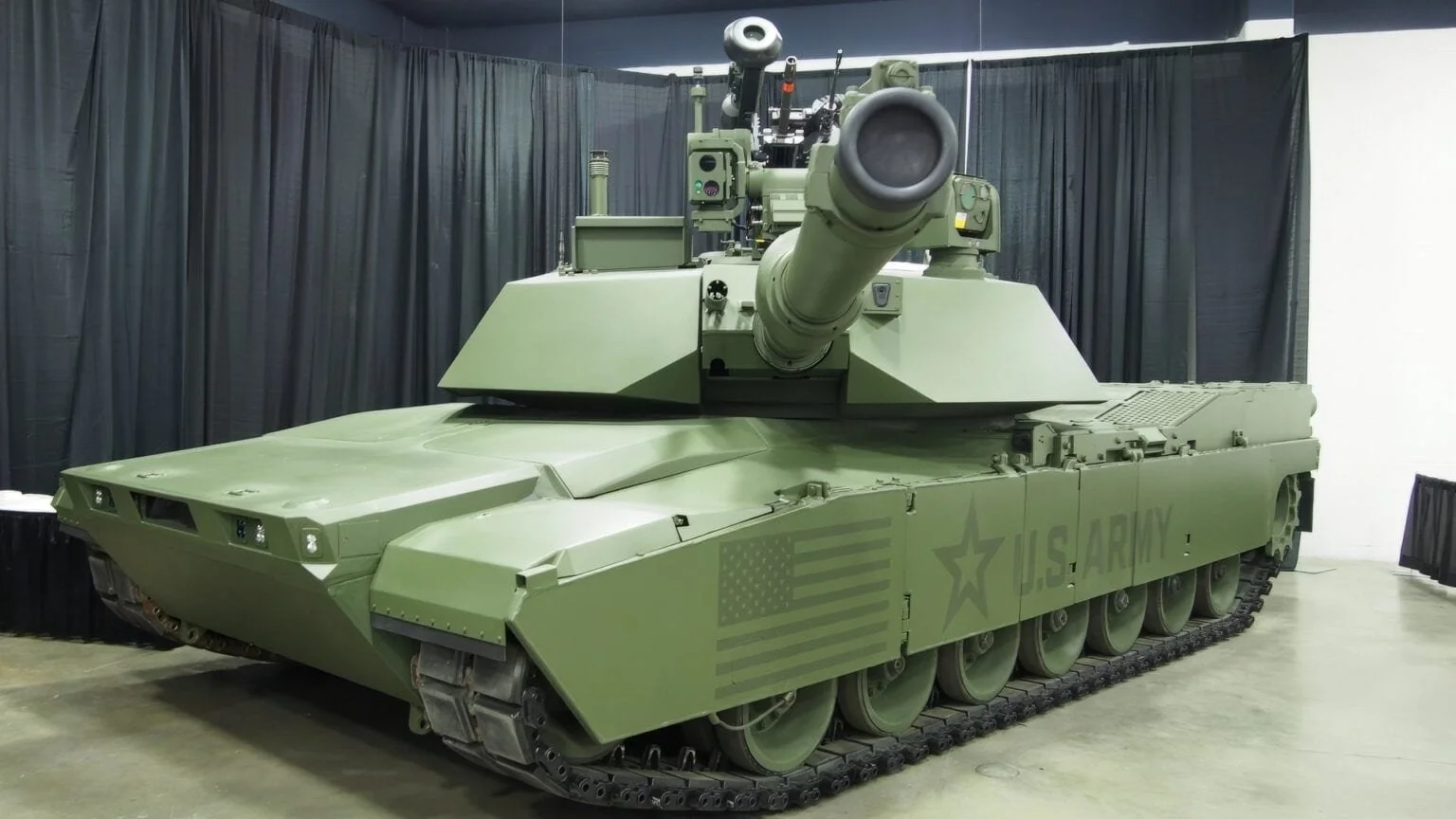
The new M1E3 tank premiere at The Detroit Auto Show. Image Credit: 19FortyFive.com.
This week, the U.S. Army publicly revealed the new M1E3 Abrams main battle tank prototype ahead of schedule, aiming to begin field testing years earlier than originally planned. Rather than waiting for every sensor, radio, and subsystem to be finalized in isolation, the Army has shifted to an incremental and software‑first development model — upgrading hardware around a flexible digital backbone and integrating enabling technologies in the field.
This evolution marks a major departure from traditional acquisition approaches — and it speaks directly to integration readiness, interoperability, and the rapidly evolving role of software, modularity, and continuous feedback loops in defense tech development.
A New Model for Modern Platforms
Instead of crafting bespoke boxed systems with locked‑in parts and components, the Army’s approach with the M1E3 prioritizes:
Software‑centric architecture first, then hardware integration — acknowledging that digital capability drives modern capability.
Modularity and future upgrades that allow enabling technologies (sensors, radios, counter‑UAS systems, etc.) to be plugged in over time.
Rapid user feedback loops — soldier evaluations start much earlier in the process, informing upgrades rather than delaying them.
Leaders have framed the tank not as a final product, but as a continuously evolving platform, where key components are improved after soldiers start using the vehicle in test environments — effectively embedding integration into the product lifecycle.
Why This Is an Integration Story
The implications for defense tech suppliers and integrators are significant:
Integration Starts at the Prototype Phase: No longer is integration an afterthought that happens after a platform is “complete.” Today, development and integration happen hand‑in‑hand, with systems being tested, updated, and refined while in motion.
Feedback Loops Are as Important as Feature Sets: The decision to field hardware early so soldiers can shape future upgrades signals a shift where operational data and user integration become drivers for refinement — not just lab test results.
Modular, Software‑Driven Systems Reduce Lock‑In Risk: With modular open systems and a software backbone, suppliers can insert emerging tech faster — and the Army can stay more adaptable in a rapidly changing threat environment.
The Broader Trend
The M1E3 story illustrates a trend beyond tanks: hardware is increasingly a vessel for rapidly evolving software ecosystems, data streams, and mission architectures. Defense programs that bake integration into each stage — rather than treating it as a downstream task — build platforms that are resilient, adaptable, and future-ready.
———
About the Series
The Integration Brief is a weekly executive dispatch focused on the real-world challenges of transitioning emerging technologies into operational environments. Published every Wednesday at 1000 ET, the series provides concise, field-informed insights for technology developers, acquisition professionals, and national security leaders.
